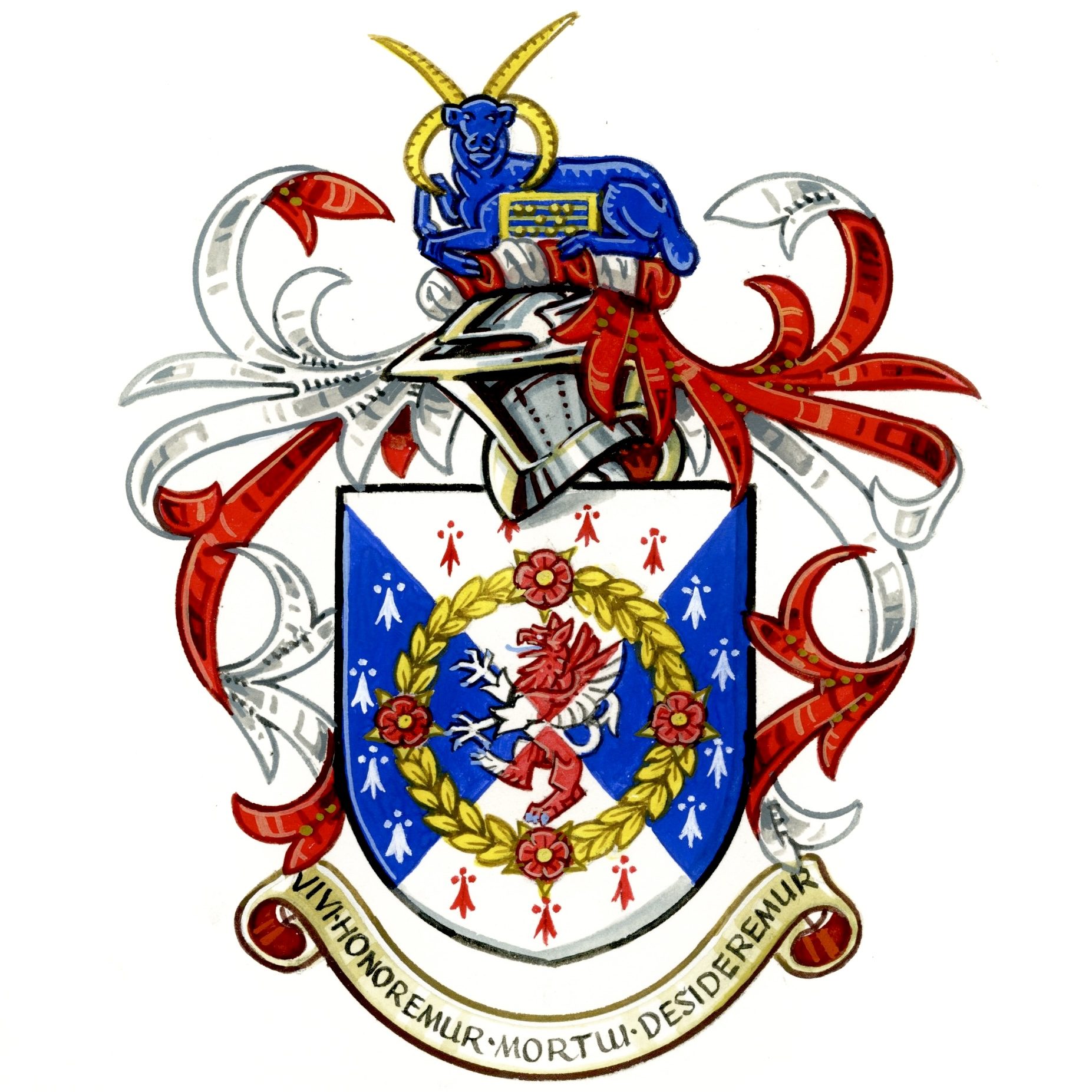
On the way out of the East India Club, my girlfriend looked down. There on the kerb, exactly where the 1875 map had put it, was a broad arrow. Then another beside it. Two.
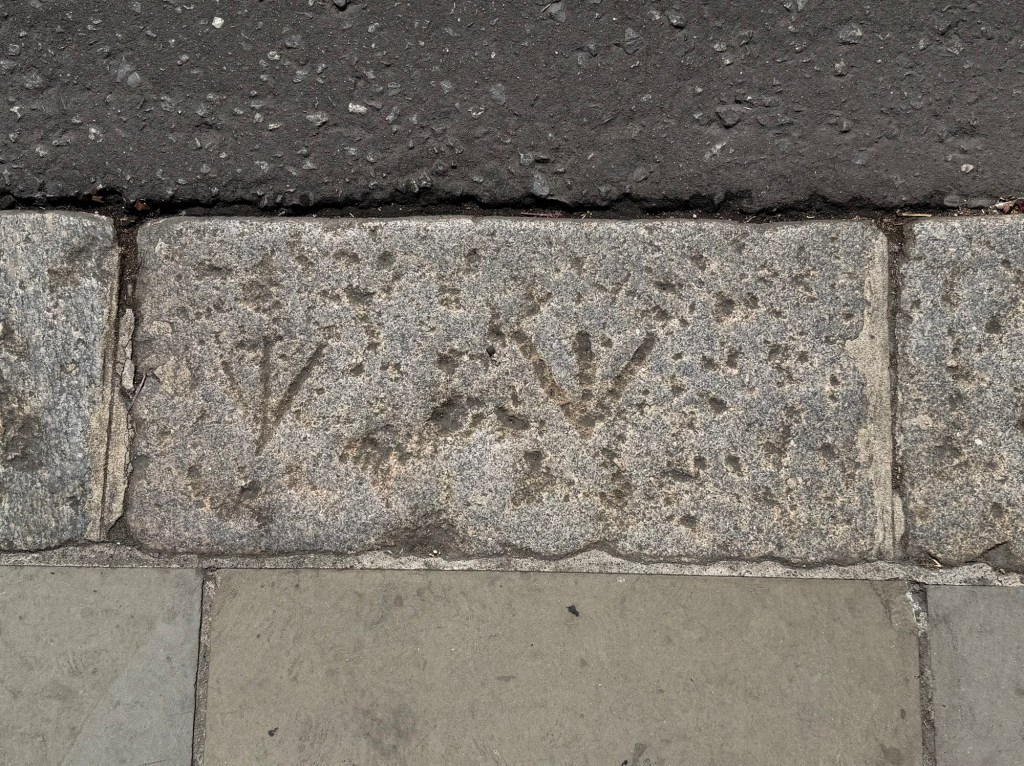
No horizontal line on either, which is exactly as it should be. On a horizontal surface the staff stands on the stone itself, so there is nothing for a cut line to do. We have known that since Douglas, where hardly any of the marks had a line at all, either sitting on top of a wall or tucked up under the arris of the coping so that the dressed edge did the work. What was new was finding it here. Every London mark we had turned up over the weekend had been cut into a wall.
One of the two is a noticeably finer cut than the other. Whether somebody recut it because the first had worn, or because they were simply not satisfied with it, I have no idea. It seems a lot of effort to go to twice.
St James’s Square
Still on St James’s Square, I found another in a kerb just short of the Army and Navy Club entrance. The Rag, as it prefers to be known, after a member’s verdict on the catering. I have stayed there once. The water pipes burst at the East India a couple of years ago and they arranged a bed for me across the square instead, which is the sort of problem one is glad to have.
St Martin-in-the-Fields
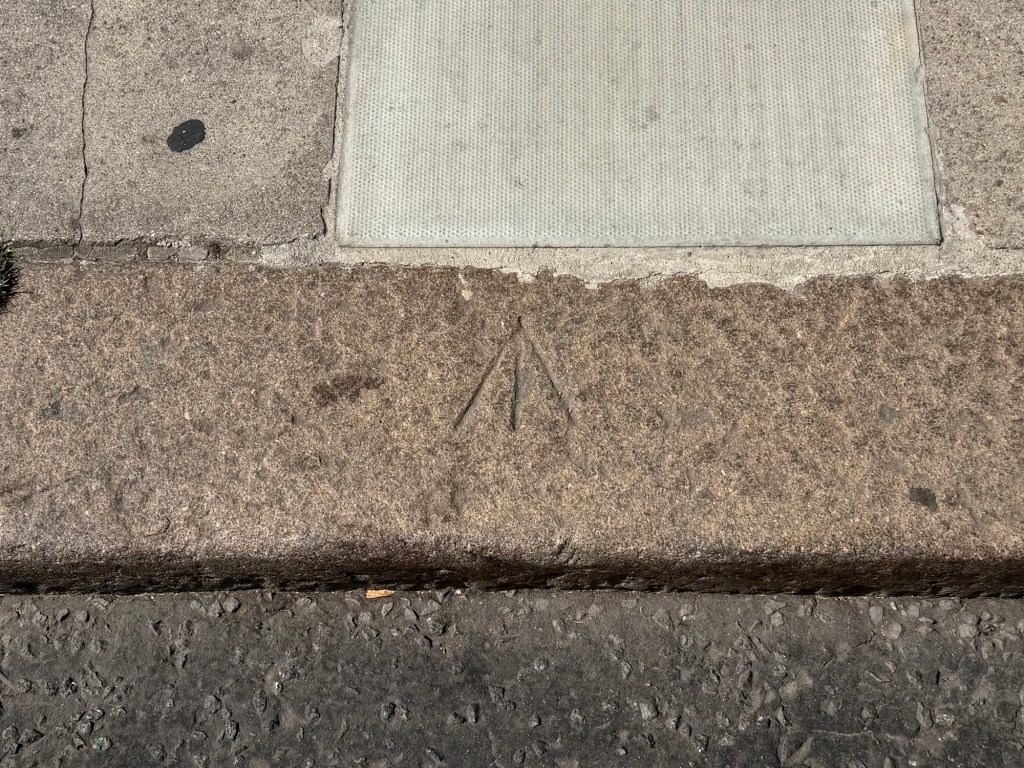
Down Pall Mall to Trafalgar Square, where the pigeons have taken to the railings.
We passed the church on the way and, after yesterday, we could hardly walk by. The Cottage on Drury Lane carries the parish monogram in its gable, and here was the parish itself.
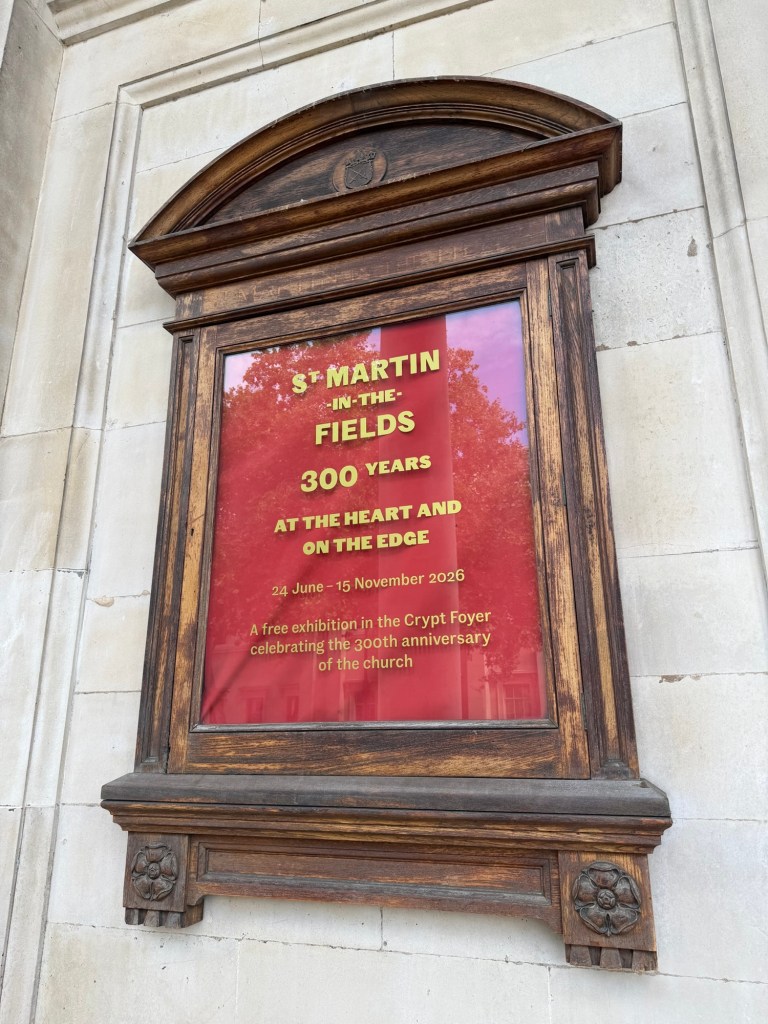
It turns out we picked the right year. The board outside announces three hundred years, with a free exhibition in the crypt foyer running until the middle of November. James Gibbs finished the building in 1726 and it has been copied ever since, all over the English speaking world.
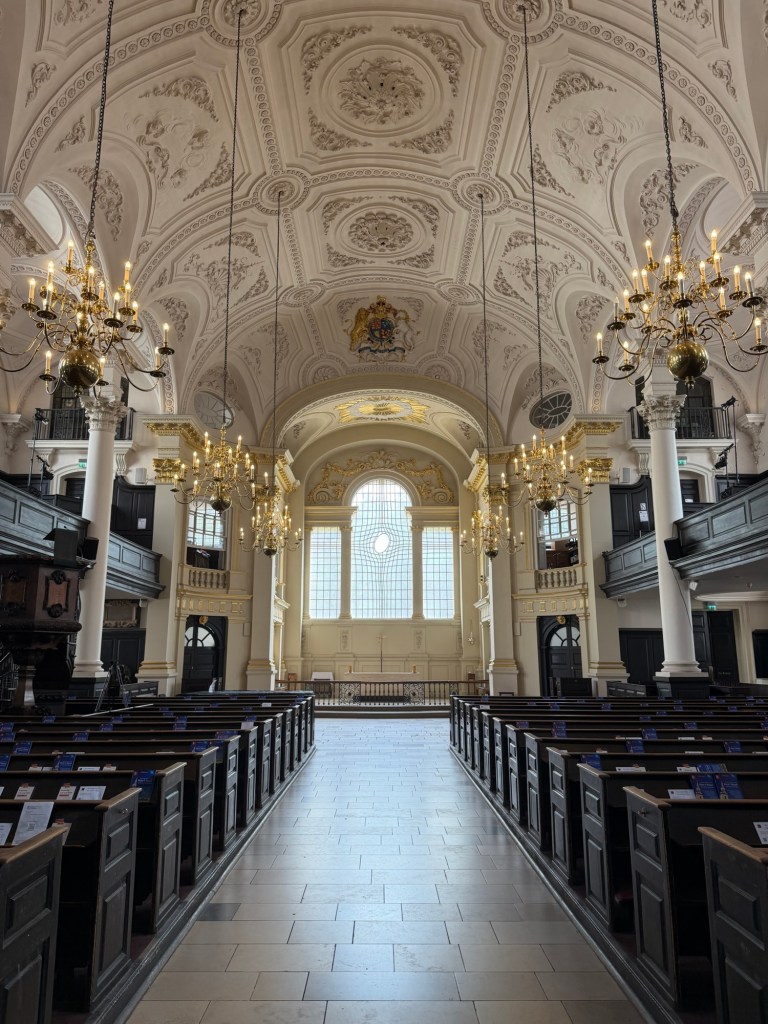
It is a gorgeous building, and the east window is unlike anything else I have seen in a church. It went in as recently as 2008, designed by Shirazeh Houshiary with the architect Pip Horne, and it is a steel grid of etched clear glass pulled very slightly out of true so that the distortion reads as a cross, with a lit ellipse at the centre. Houshiary has said the work is about everything being in a state of erosion. There is a lot of it about in this parish.
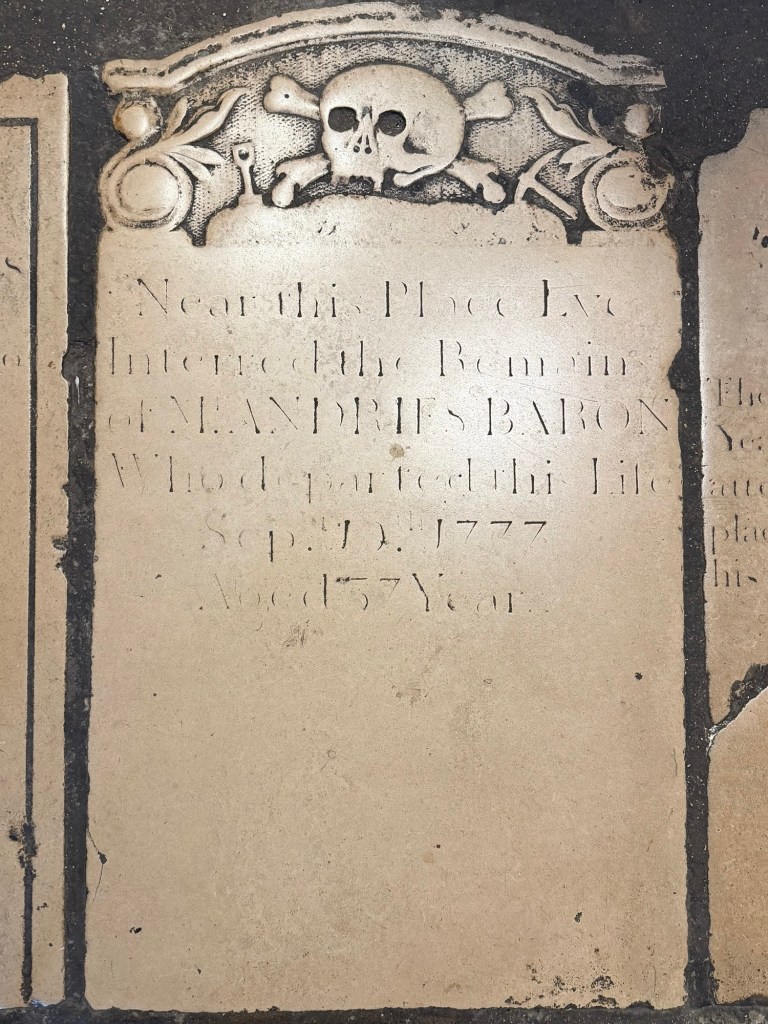
The crypt has been a café since 1986. The floor is paved with eighteenth century headstones, and you sit and eat your lunch on top of them. I have not made up my mind how I feel about that. One carries a skull and crossbones above the name of Andries Baron, who departed this life on 12 September 1777 aged fifty-seven. The emblems of mortality, which I recognised for reasons I will not go into here. I liked finding them there.
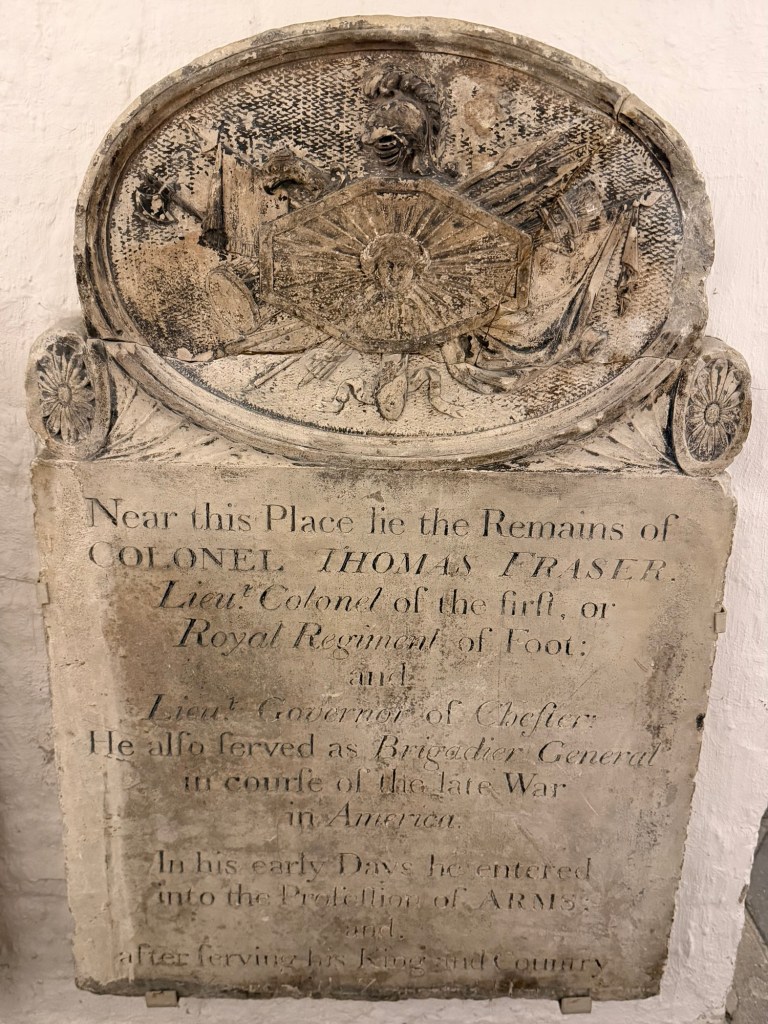
Another memorial is to Colonel Thomas Fraser, Lieutenant Colonel of the First or Royal Regiment of Foot and Lieutenant Governor of Chester, who served as Brigadier General in the course of the late war in America. Having been in Philadelphia and Washington a fortnight ago for the two hundred and fiftieth anniversary, that landed rather differently than it would have in July.
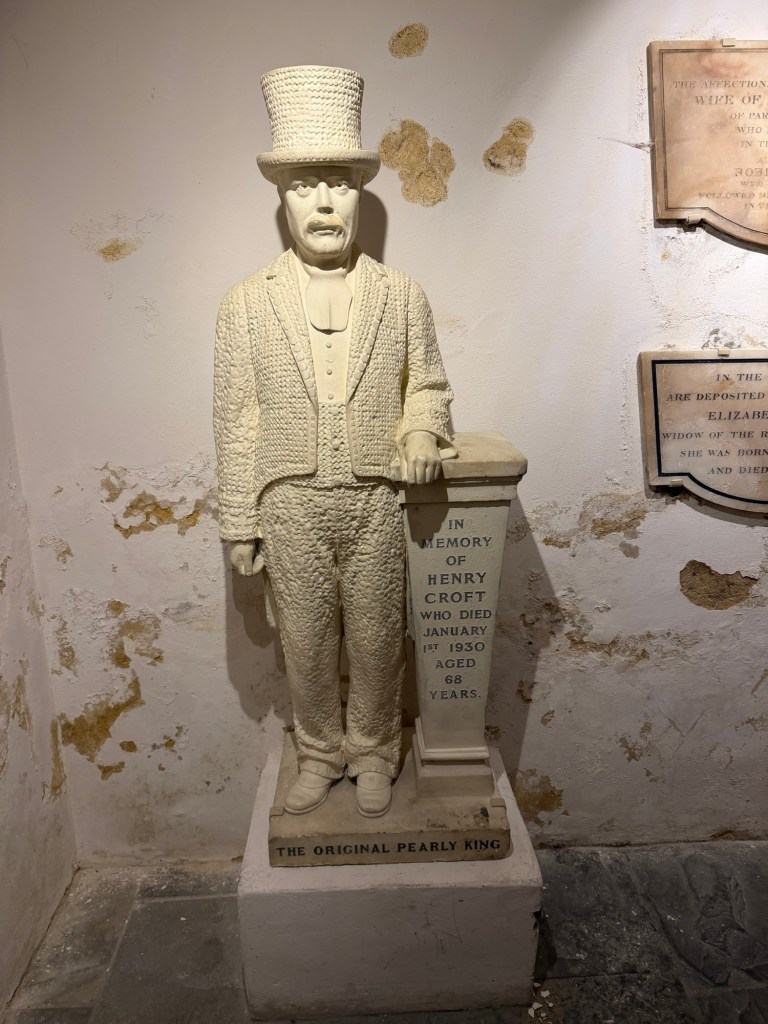
Also down there is the statue of Henry Croft, the original Pearly King. I had it in my head that the pearlies were an East End thing. The button trade was, but Croft was not. He was born in the St Pancras workhouse in 1861, raised in an orphanage, and swept roads for the vestry and then the borough for fifty years, sewing mother of pearl buttons onto his clothes to draw a crowd and collect for hospitals. His memorial statue stood over his grave in St Pancras cemetery until it had been vandalised three times, and in 2002 it was restored and moved down here. The Original Pearly Kings and Queens have held their harvest festival at St Martin’s since 1956.
Out of the crypt and on down the Strand, because the mission was coins. Stanley Gibbons Baldwin’s at 399 Strand, where Baldwin’s has had its coin room since 2019, the firm itself dating from 1872 and the stamp side from 1856. I used to hold shares in Stanley Gibbons. When the company came off AIM in September 2022 I did not take the exit, on the theory that an unlisted holding in a name like that might come good eventually. In June 2024 the Royal Court of Jersey ordered it wound up, which is the end of the road for a shareholder. The shop trades on under different ownership and I still go in every time I am in town, which says something about the strength of my convictions. I collect anything old and silver. I came out with a Henry III penny and a Henry VI penny.
Soho
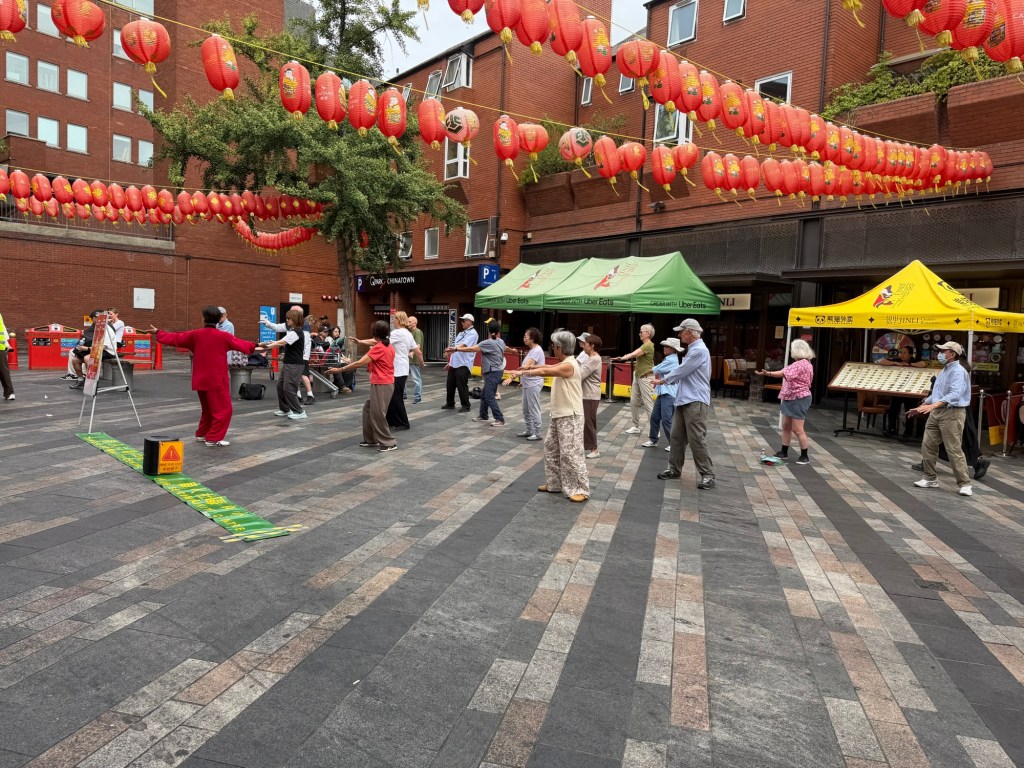
Cut through Covent Garden into Chinatown, where an open air tai chi class was going on.
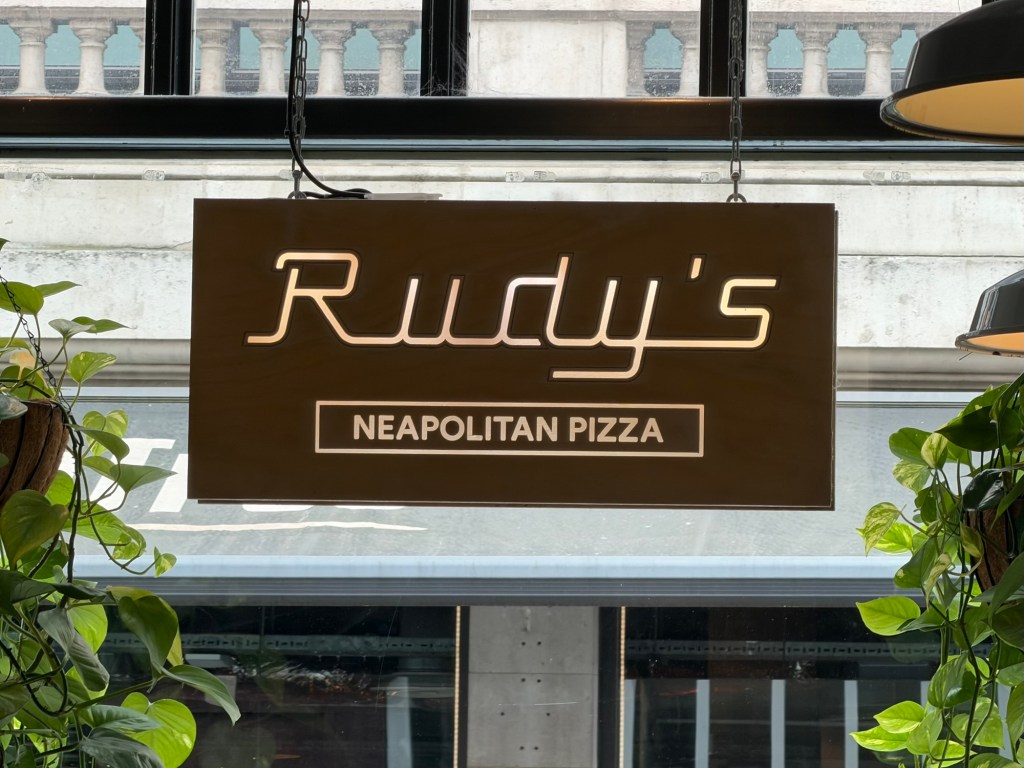
Then to Rudy’s in Soho for pizza. It is always good.
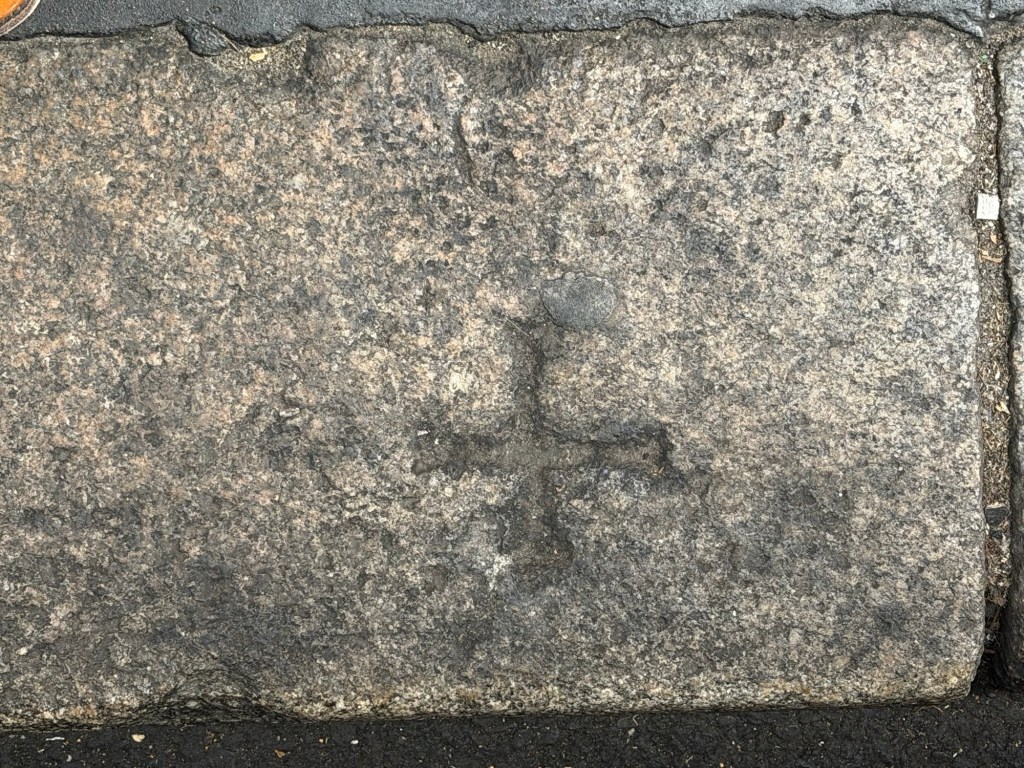
On the way we found a cross cut into a kerb, more ornate than the marks we saw yesterday.
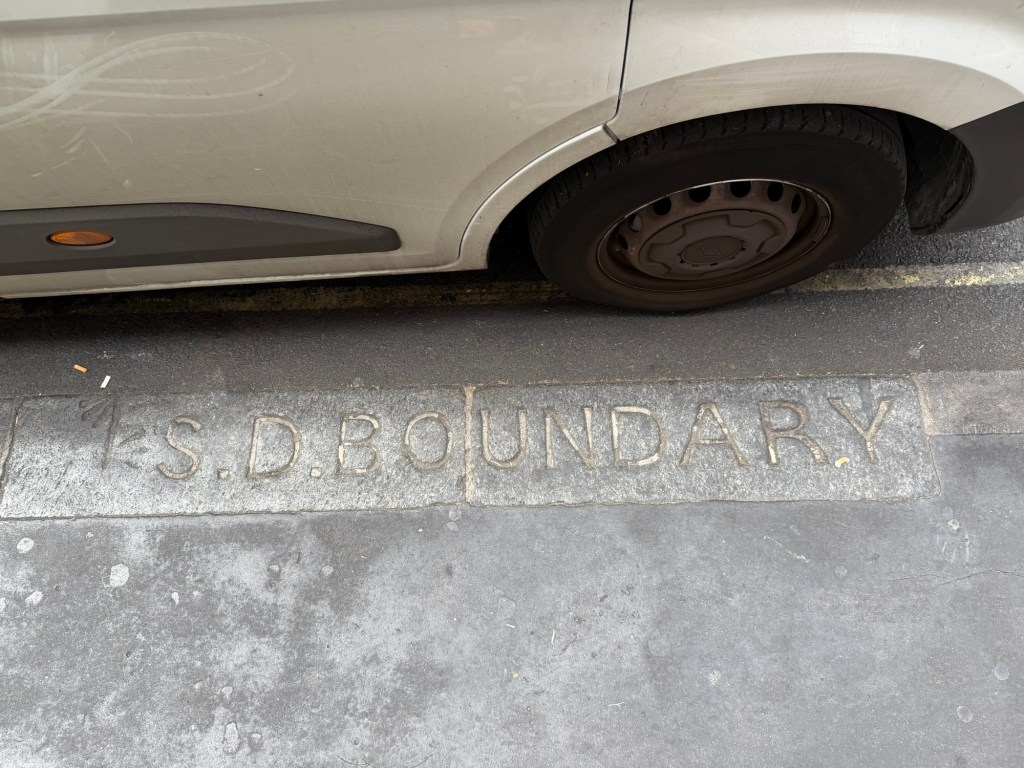
About a metre further on, cut into the same run of kerb, S.D. BOUNDARY with arrows pointing each way. S.D. is almost certainly the Strand District, the local board created in 1855 and abolished in 1900. Its main territory lay along the Strand, but the parish of St Anne Soho belonged to it as a detached exclave, so the district boundary ran through here, well away from the rest of it. Two systems of marking the ground a stride apart, and neither of them Ordnance Survey.
Back to the club
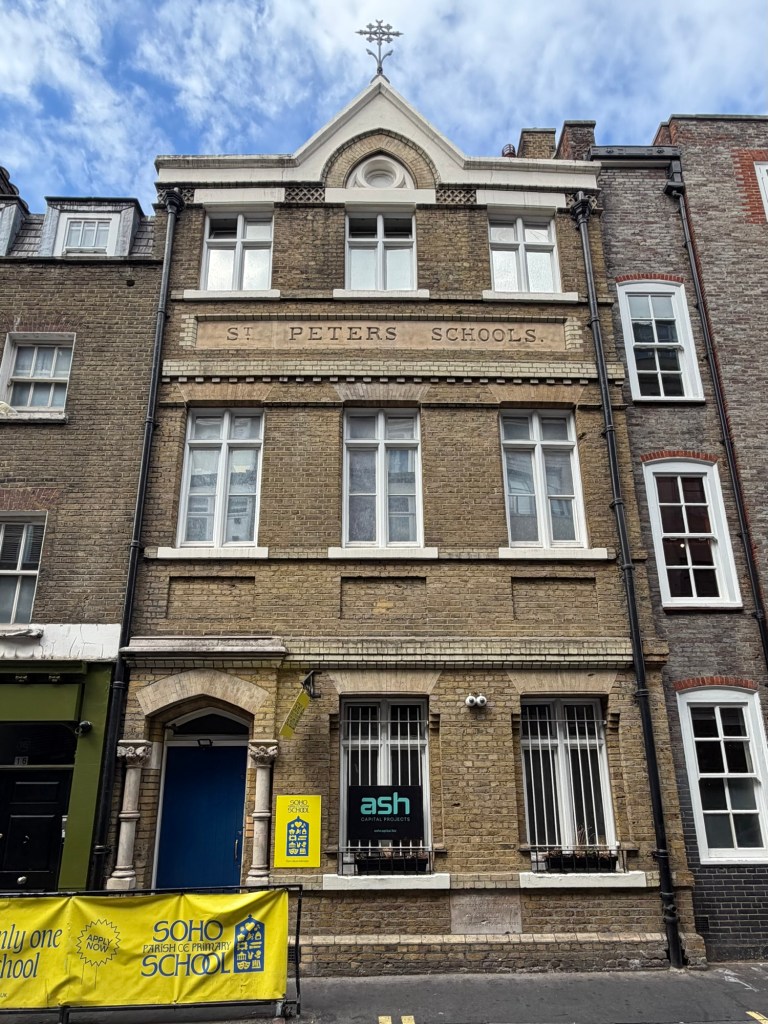
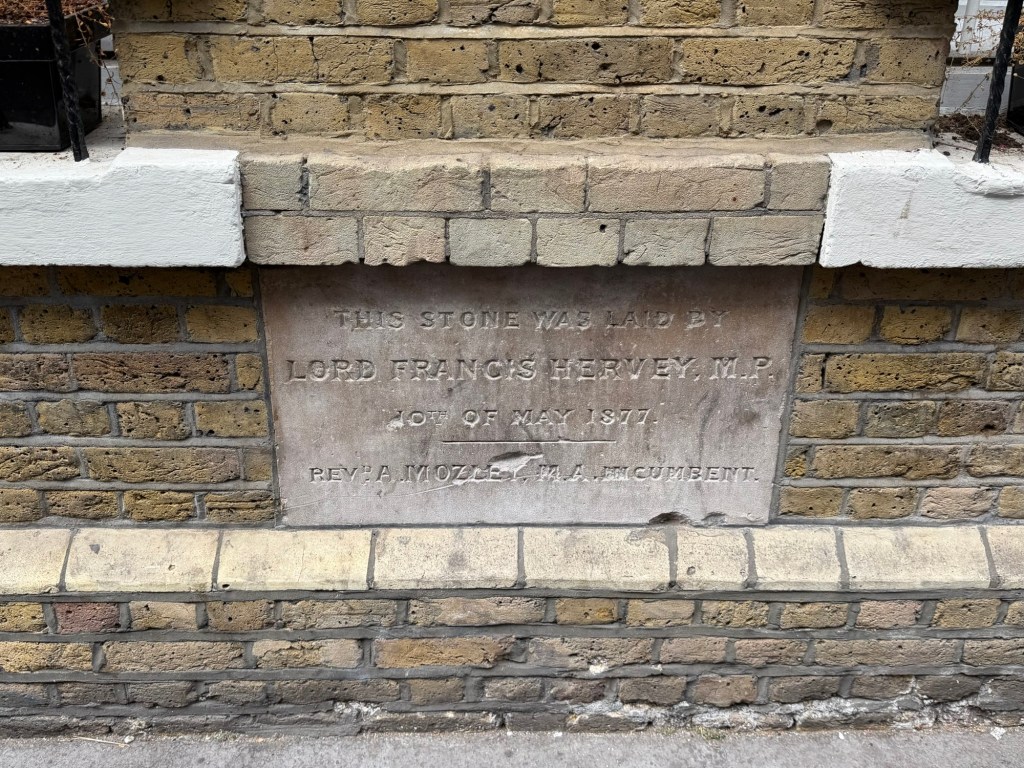
Weaving back towards St James’s we passed a building carrying ST PETERS SCHOOLS across the front, with a foundation stone recording that it was laid by Lord Francis Hervey MP on 10 May 1877, the Reverend A. Mozley being incumbent. It is now Soho Parish CE Primary School. A school in 1877 and a school today, which I like a good deal.
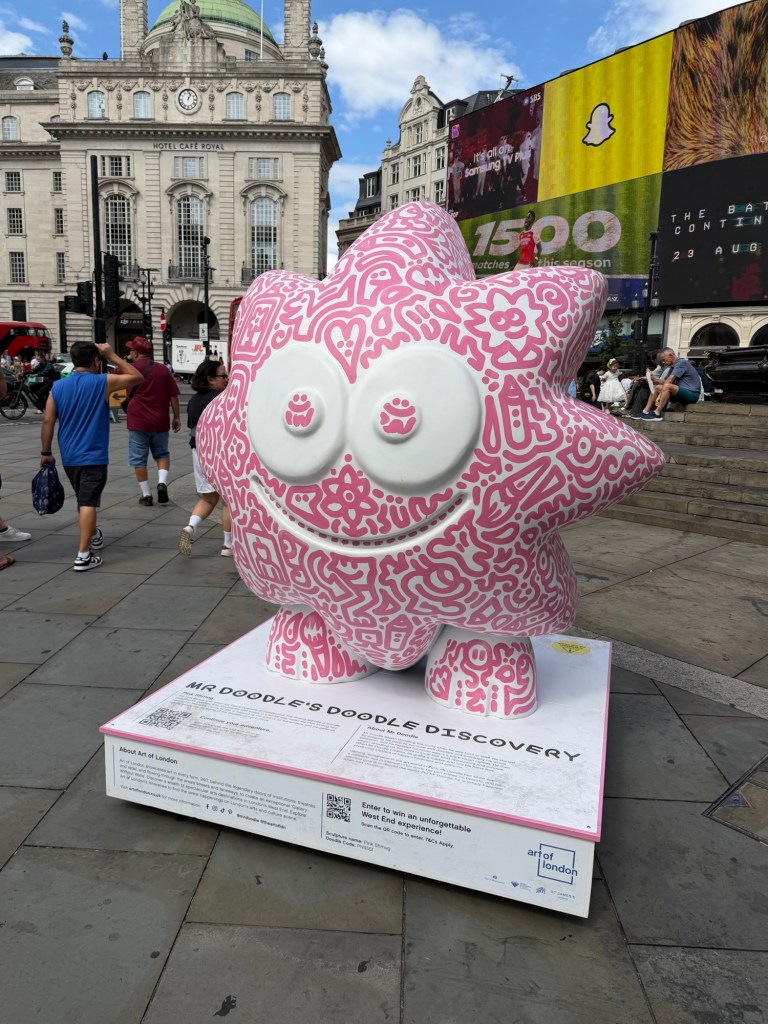
We also came across more work by Mr Doodle at Piccadilly Circus. We had seen one a few days ago and I failed to photograph it, so I was pleased to get another chance. It turns out to be a trail of five sculptures put up across Piccadilly Circus, Leicester Square and St James’s Market at the end of July, and they come down at the end of the month.
Then to the club for the luggage. And on the way out, right by the front door, another mark. Not on any map we had.
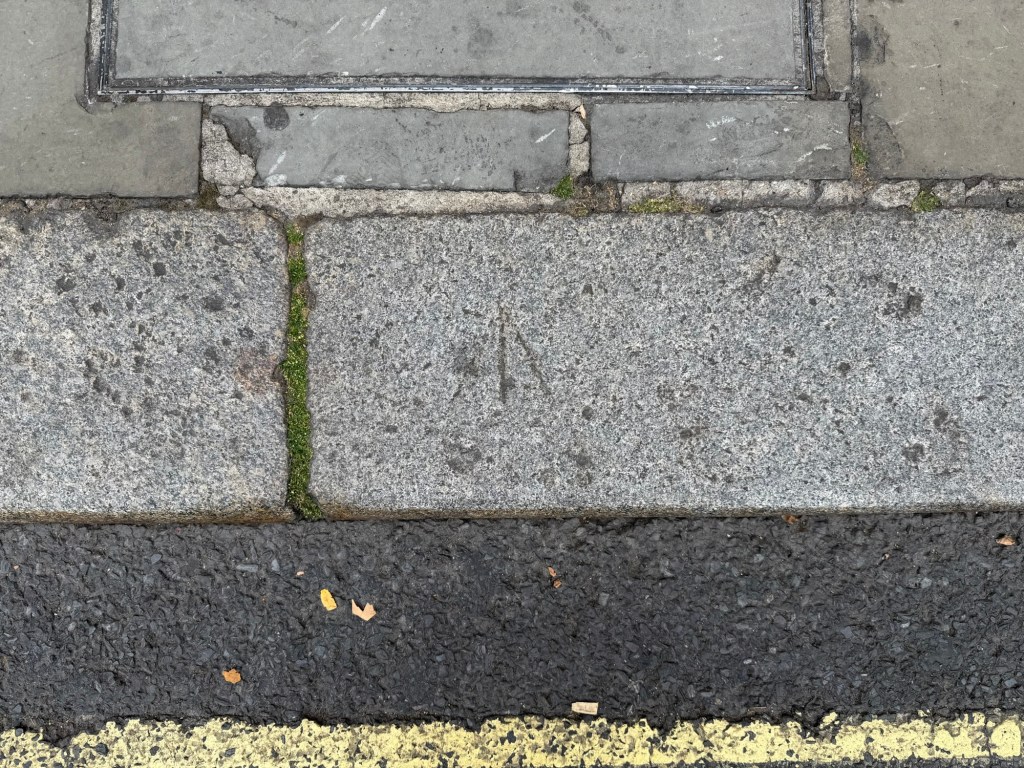
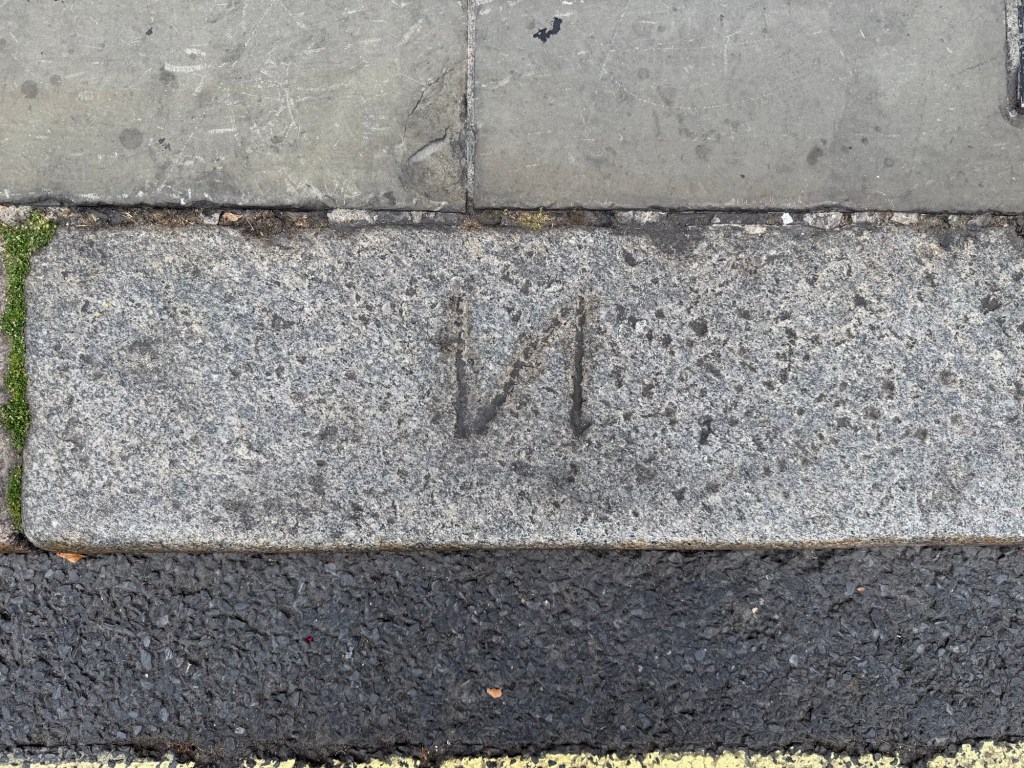
So the East India, which had given us nothing at all on Friday, gave up three in a single day, two of them side by side on the kerb. Next to the last one is a back to front N, or possibly a Z. Another utility mark, I assume, but I would like to know.
Then the Gatwick Express, an hour in the Plaza Premium lounge, and home. It was eleven degrees cooler on the Island and raining steadily, and stepping off the aircraft into it was bliss.
 Charlton Krentz