The journey home from Spain took a detour. I flew back to London with the rest of the party, but rather than join them on the onward flight to the Isle of Man, I forfeited my seat and boarded a first class train north to Edinburgh, where I had been invited to visit the Lodge of Edinburgh (Mary’s Chapel) No. 1 in my capacity as Master of Alexandra Palace Lodge No. 1541 in London. The two lodges enjoy a long tradition of reciprocal visits, and it was our turn to make the journey. The train, I will admit, was grand for roughly half the distance, at which point I was invited to surrender my seat to my elders, and spent the remainder reflecting that there is a reason God gave us aviation.
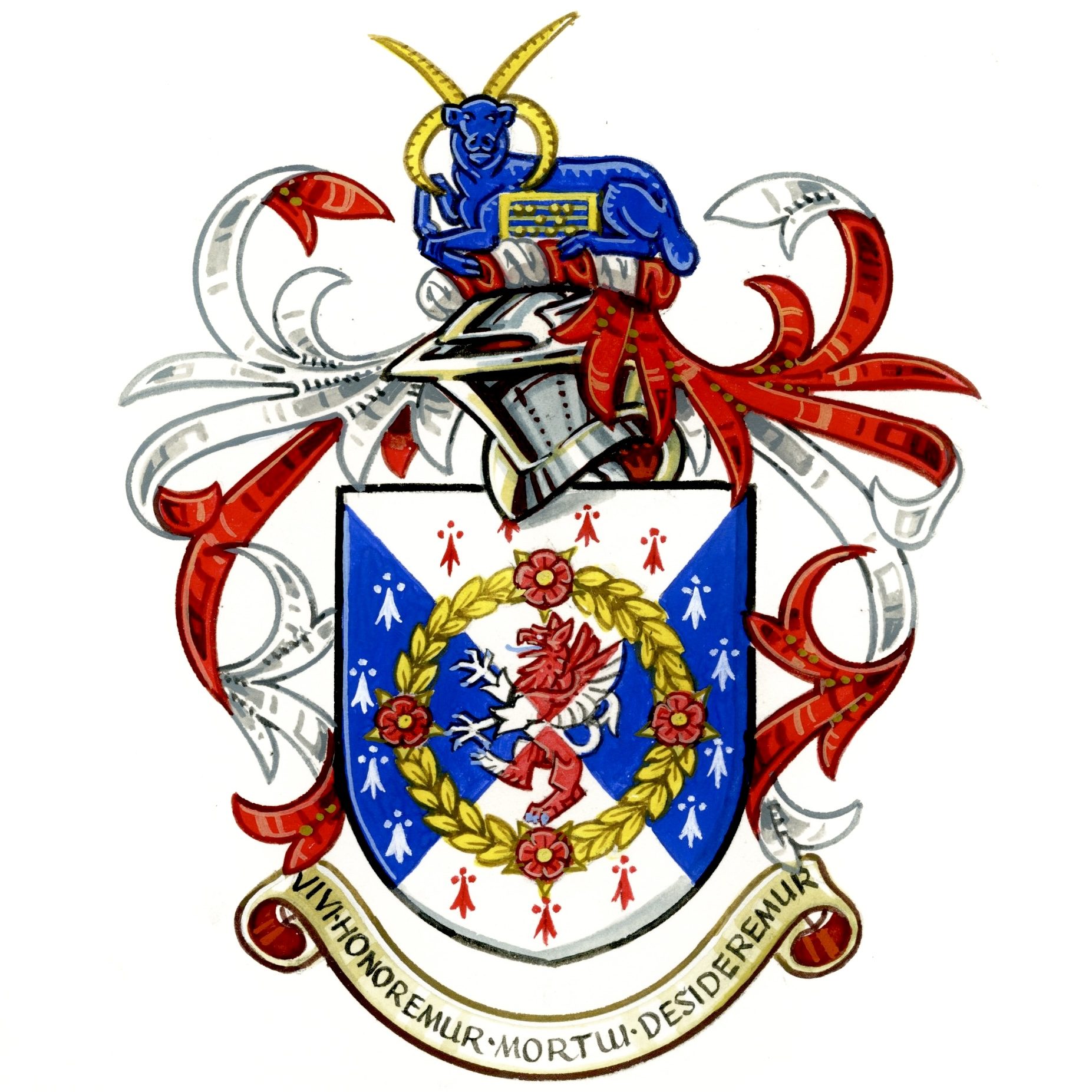
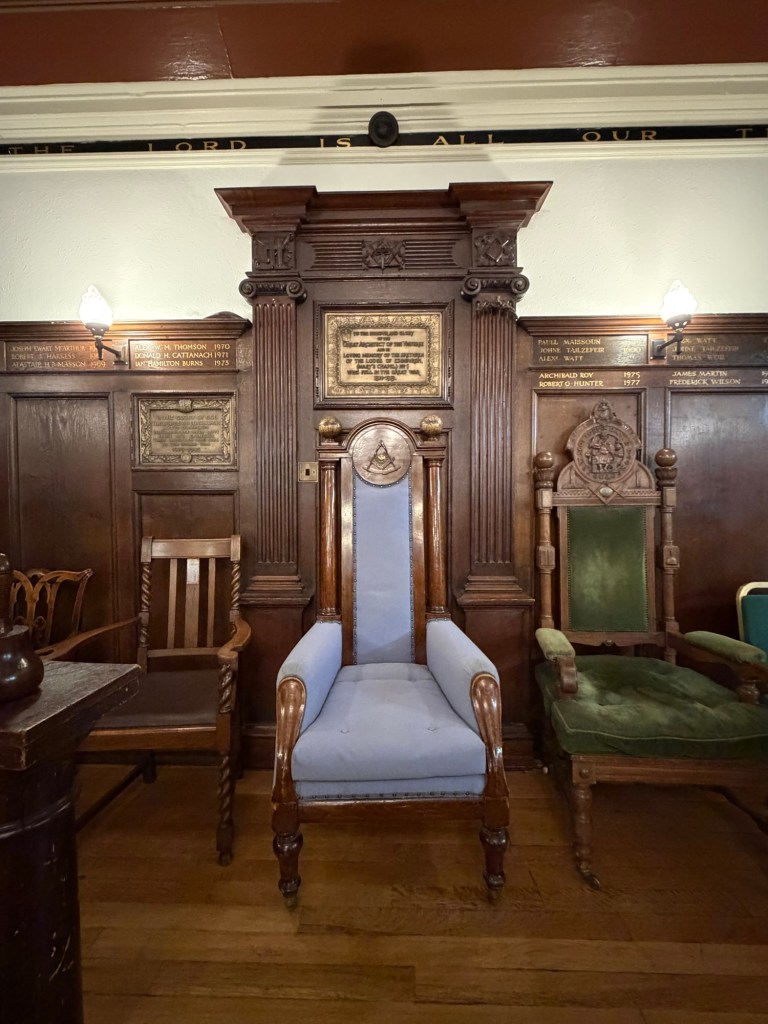
It was worth every standing mile. Mary’s Chapel is number one on the Roll of the Grand Lodge of Scotland, and its minute book opens on 31 July 1599, the oldest surviving minute of any lodge still working anywhere in the world; the first pages carry the Schaw Statutes themselves, the 1598 rules from which so much of organised Freemasonry descends. The chapel that named her is long gone, demolished on Niddry’s Wynd to make way for the South Bridge, and she meets now on Hill Street in the New Town, in a handsome 1820s building the lodge bought in 1893 and which, in the finest Edinburgh tradition, spends every August moonlighting as a Fringe venue. To sit in a meeting of a body that has been gathering since before the Union of the Crowns is a humbling thing at the best of times; for me it carried an extra charge, as I am presently at work on a book about the origins of Freemasonry, and Mary’s Chapel is central to where the documentary trail begins. An evening among the heirs of that minute book felt less like tourism and more like fieldwork. The Scottish workings are their own world, familiar in spirit and gloriously different in the detail, and the regalia alone was worth the trip.
I had the honour of giving the reply to the visitors’ toast, and, leaning heavily on my one-eighth Scottish heritage, ventured a joke about the entirely ill-founded notion that the Scots are careful with money. It got a proper laugh, which in that room I choose to take as a lifetime achievement.
The rest of the visit was Edinburgh at its best, which is to say grey, damp, and magnificent, a city that suits low cloud the way other cities suit sunshine. I spent a happy hour in St Giles’ Cathedral, dense with heraldry and family memorials, the Thistle Chapel repaying every minute of attention. Then dinner at The Witchery by the Castle, where I ate red stag from the Balmoral estate in candlelit surroundings that would make even a bad meal feel like an occasion. This was not a bad meal. I regret nothing, except possibly the train.

